Concrete parking lot building in Chico CA - a lot that drains where it should
Worn lot full of potholes and puddles? We build concrete parking to your engineer's drawings, with a firm, packed base under every slab.
I measure every lot myself
I still measure every job myself, a habit from my years writing quotes, and I write the estimate from those measurements. Our crew of finishers and laborers builds what it lists, so nobody's surprised on pour day.
Pouring concrete in Chico since 2013
We've been in business since 2013, and I learned forming and finishing from finishers I'd worked beside for years. The ground prep and joint layout you won't see later get the same care as the finish on top.
Licensed and fully insured on your lot
We're licensed and fully insured, and California puts paving and flat concrete work under its concrete contractor license, so ask any bidder to show theirs. Call (530) 399-1528 and I'll come out to look at your lot.
Concrete parking lot building in Chico
Concrete parking lot building means forming, pouring and finishing concrete pavement so your property has off-street parking or a loading area. It helps owners of a worn gravel or asphalt lot, or a new building that needs parking, who want pavement that drains well and holds up.
What you pay and how long it takes mostly come down to the lot's size, how water leaves the site and what your engineer's drawings call for. A bigger lot brings in more of the city's stormwater rules, more digging and more base under the slab, and any permit review decides when we can start. I list every one of those steps in the written estimate, so you see where the money goes before you decide.
Before you call, it helps to know the address, a rough lot size in square feet and who your engineer is, because we build from those drawings and the city's rules turn partly on size. Think about how the lot gets used too, since daily cars and delivery trucks call for different slab designs. The Chico rules I describe here apply inside city limits, so tell me if your property sits in unincorporated Butte County.
Parking lot paving and the work around it
Starting from size, drainage and plans
Lot size shapes how much planning a parking lot takes, so I start with the size, how water leaves the site and what your plans call for. We work from your engineer's drawings and don't change the grades on the fly, because the slope on paper is what keeps water moving. Our crew digs out and packs the subgrade, the ground the slab sits on, since a base that's only raked level settles with the dirt under it. That base is buried on day one, and it's the last place I'd cut to save money.
Building to Chico's parking lot rules
Inside city limits, Chico wants parking areas built so surface water stays off sidewalks and neighboring parcels, though the city may approve draining to the street across a driveway. It also asks for at least 5 percent of the interior parking area in landscaping, unless its review finds another share fits the surrounding area. Where your driveway meets the street, the city requires an encroachment permit for work in its right-of-way. We're based in Chico and work across the cities around it, and if your city isn't on our list, call and ask.
Choosing the surface and cutting joints
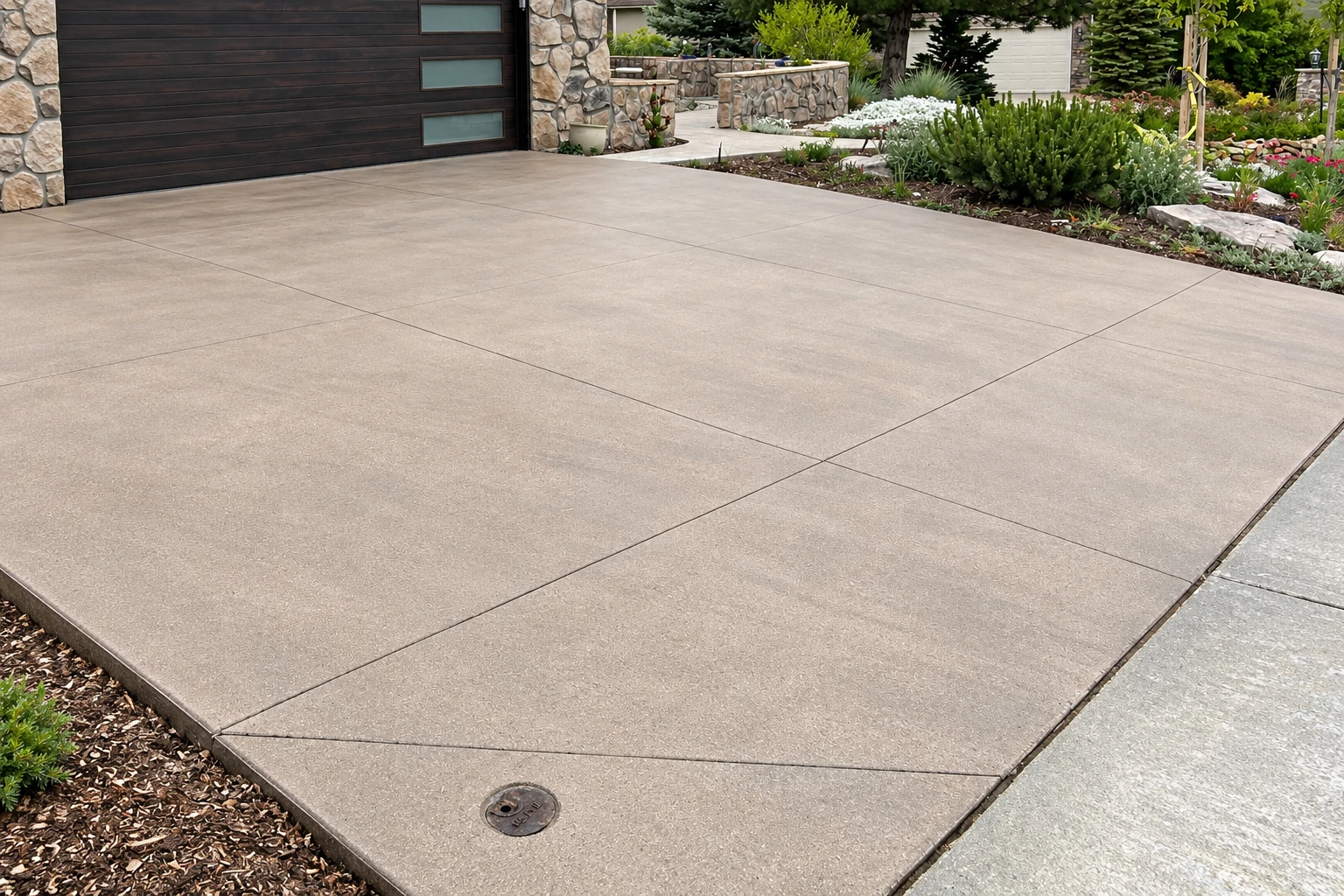
Pervious concrete, a porous mix that lets rain soak through, is traditionally used in parking areas and light-traffic pavement, so it can suit a lot that doesn't see heavy trucks. Standard slabs usually get a broom finish, a brushed texture that gives tires and shoes some grip. Either way, we cut control joints, planned grooves that decide where the slab cracks, before the concrete sets hard. When the plans call for light poles or walls, we pour the concrete footings too, and foundation raising handles a building on the site that has settled.
Get a written estimate for your parking lot
We reply within one business day, and I come out to measure with no obligation. The estimate is free and written step by step, so have your address and rough lot size in square feet handy.
(530) 399-1528How a Chico parking lot job goes
I measure and photograph the lot
After you call, I come out, measure the lot, take photos and ask how you'll use it, from daily parking to delivery trucks. Then we send a written estimate that lists each step, so you can see exactly what's included.
Permits before a start date
If a permit is part of the job, we find out which city or county office handles your address before we set a date, so the start usually waits on that approval. Meanwhile we line up materials to match the estimate.
Forming, pouring and the final walk
Our crew does the prep, forming, pour and finish, starting with the dug-out, packed base. Before we call it done, I go over the work with you against the written estimate, so what we wrote is what you got.
Questions about parking lots in Chico
How long does a concrete parking lot last?
An industry guide puts the typical service life of a concrete parking lot at 30 years or more. That's a typical figure, not a promise, and it leans on the base, the drainage and the upkeep. It's why I'd weigh the cost of building it right against decades of use, not just pour day.
Does lot size change Chico's stormwater rules for a parking lot?
Yes, Chico treats a project that creates or replaces 5,000 square feet or more of hard surface as regulated, so runoff reduction and stormwater treatment go into the design. At 2,500 to 5,000 square feet you need at least one runoff-reducing measure, such as porous pavement, tree planting or rain barrels. Resurfacing within the existing footprint counts as routine maintenance.
Who issues grading permits in Chico, CA?
The city's Building Department issues grading permits, and Chico requires one for any grading work inside city limits. The application needs a grading plan and civil improvement plans stamped by a registered civil engineer, so confirm early that your project team includes one. We take care of the application and inspections with you.
What upkeep does a concrete parking lot need?
Typical upkeep is cleaning and restriping, crack sealing, and resealing the joints if they were sealed in the first place. Bigger repairs, years down the road, include replacing or stabilizing slabs and restoring the surface. A packed base and well-placed control joints go a long way toward keeping that list short.