Thermalito sits right up against Oroville, and from the street it often reads as one place, with houses, garages and backyards much like what we see across the cities around Chico. The calls we get here are the ones we get everywhere in the area: a driveway that's cracked or sinking, a patio where water pools after it rains, a walkway that's started to tip, or steps that have pulled away from the house.
We work the same way here as we do in Chico and down in Live Oak. Most of those problems trace back to the ground under the slab, not the concrete on top, so that's where I start when I measure.
Check whether your address is county or city
Thermalito borders Oroville on two sides and wraps around part of it, so two houses a few blocks apart can fall under different offices. Unincorporated addresses go to Butte County for permits, and addresses inside Oroville city limits go to the city's own building and planning services. Butte County's frequently asked questions page points to the county maps that show which side of that line your parcel sits on, and I check it before I write your estimate. That way, if the job needs a permit, the application and inspections go to the right office from the start, and we take care of them with you.
What moves the price and the schedule
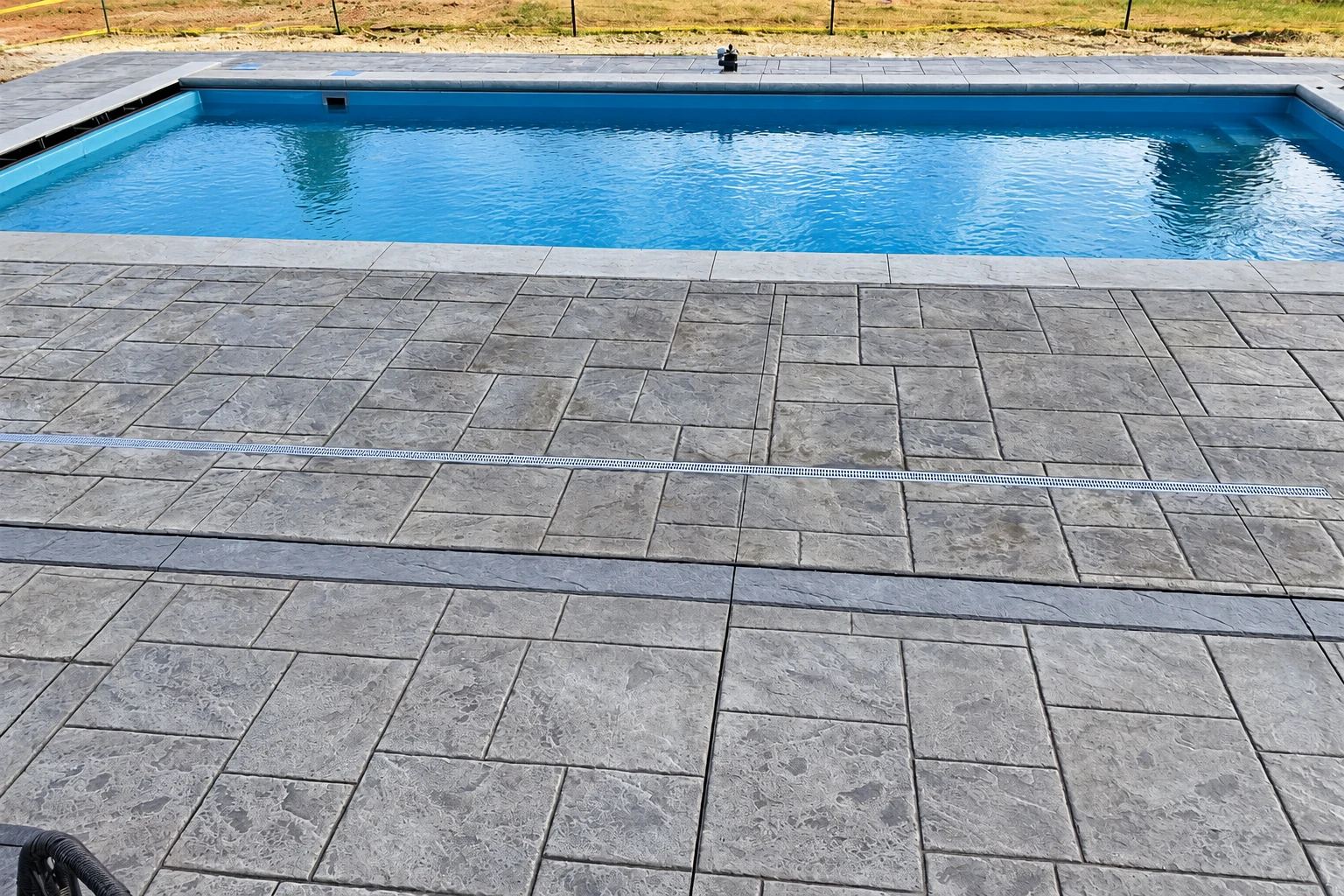
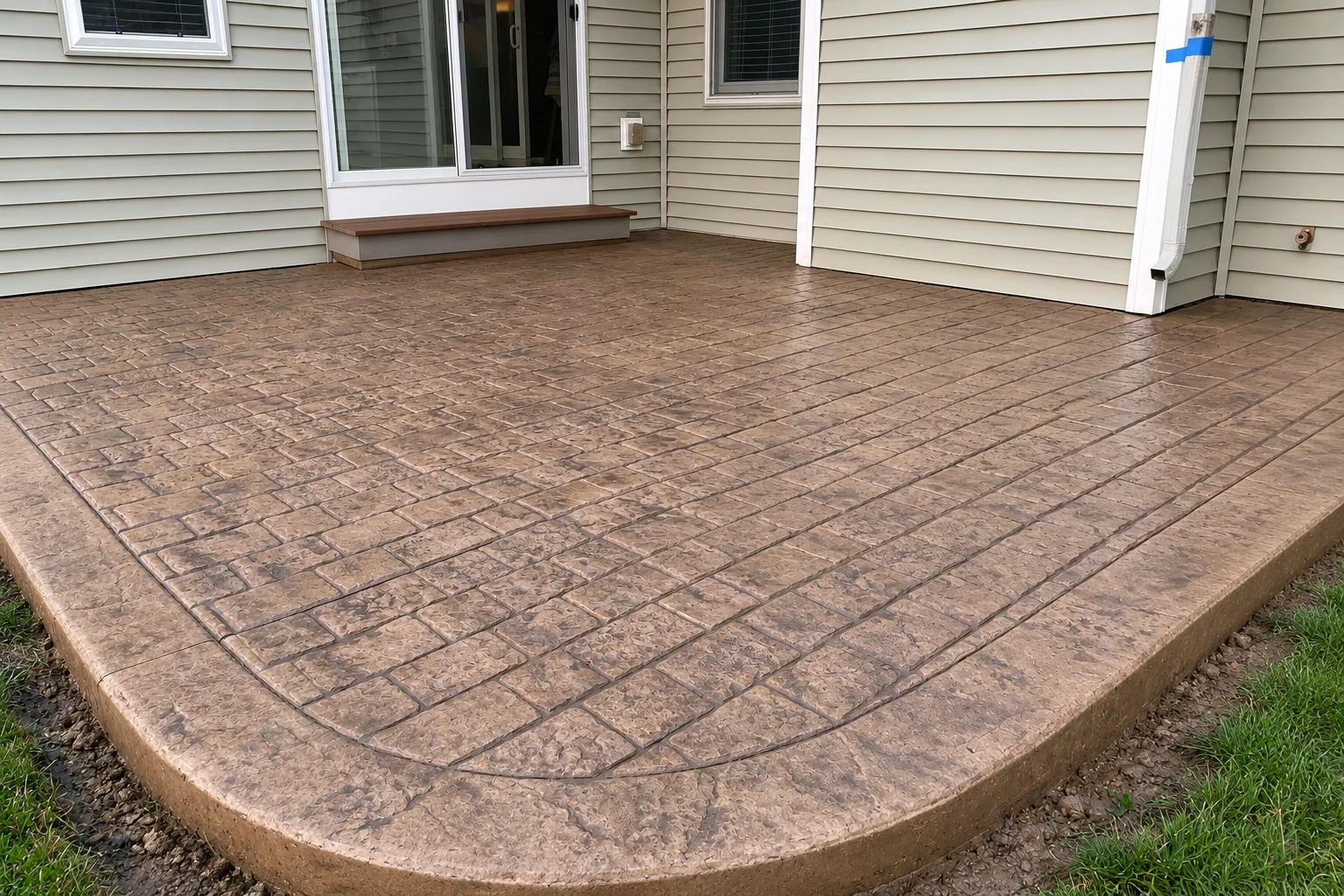
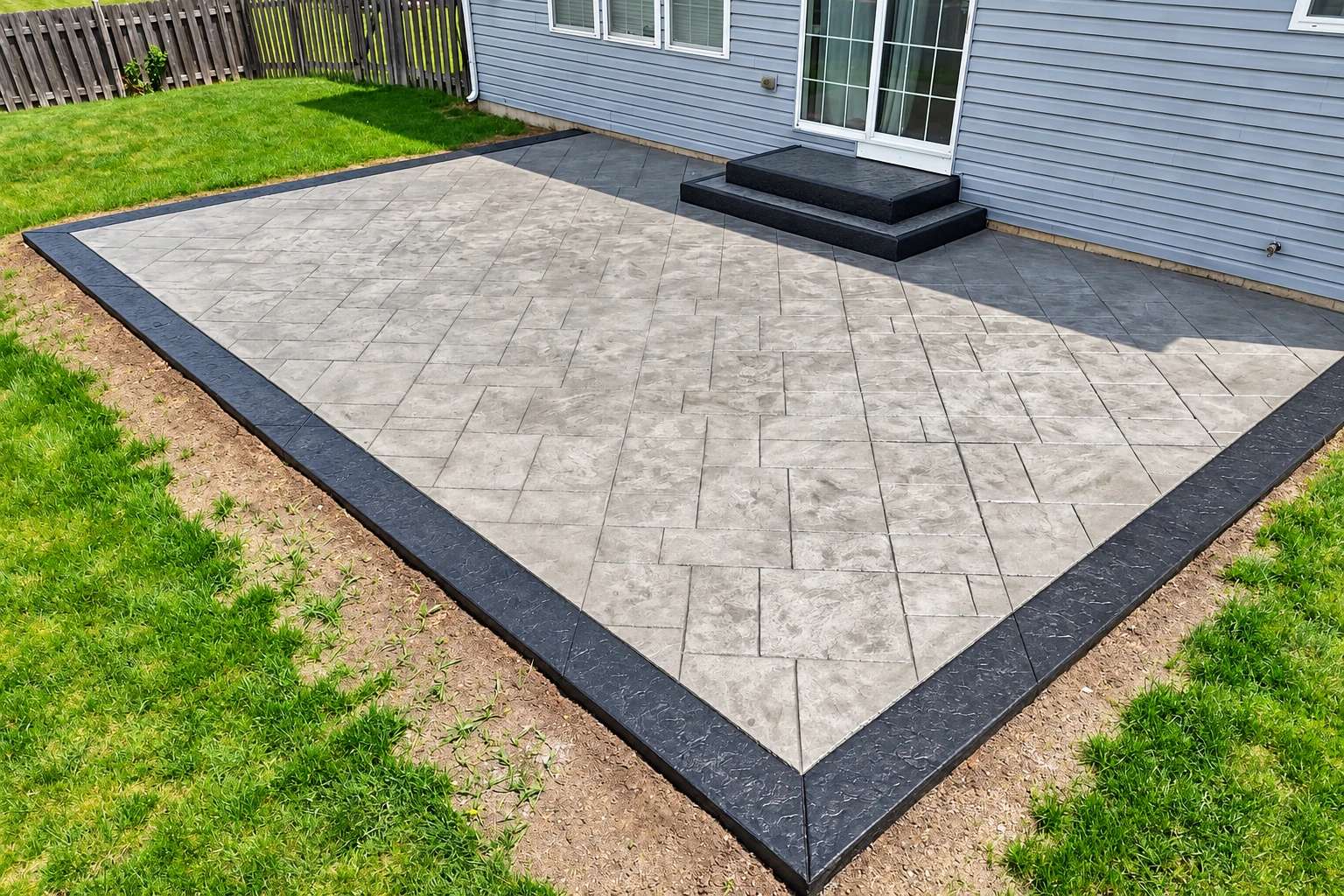
The price follows what I measure on site: the size of the slab, how thick it needs to be for what drives or sits on it, whether old concrete has to be broken out and hauled off, how much digging the base needs, and the finish you pick. A plain broom finish, the light brushed texture that gives shoes and tires some grip, costs less than stamped or colored work. The schedule turns on demolition, base work and curing, the wait while new concrete hardens before it can take weight. Your written estimate lists each of those steps, so you can see exactly what you're paying for.
Why the base comes before the finish
When a budget gets tight, the first thing people want to cut is the base work, because nobody sees the subgrade, the packed ground the slab sits on, once the concrete is down. I'd cut a decorative upgrade before I'd cut that, since a slab poured on loose, raked dirt settles as the dirt does. We dig out to firm ground, pack the base in layers and check where the water runs, so the finished slab sheds water away from your house instead of toward it. That holds whether it's a new back patio or a garage floor replacing one that's cracked and sunk.