Durham is an unincorporated community on the western edge of Butte County, just south of Chico, where we're based. There's no city hall, so the county is the local government, and its offices are over in Oroville, another city we work in.
On jobs out here we see houses near the center of town and homes on bigger parcels farther out, often with a long driveway, a detached garage or a shop. A lot of calls start with an old slab that's cracked, sunk at one end or holding water by the door. Those bigger lots shape the work, because a long drive means more ground to dig out and pack, more forms to set and more joints to lay out. That makes the prep a bigger share of the job than it is on a short city driveway.
What moves the price and the schedule
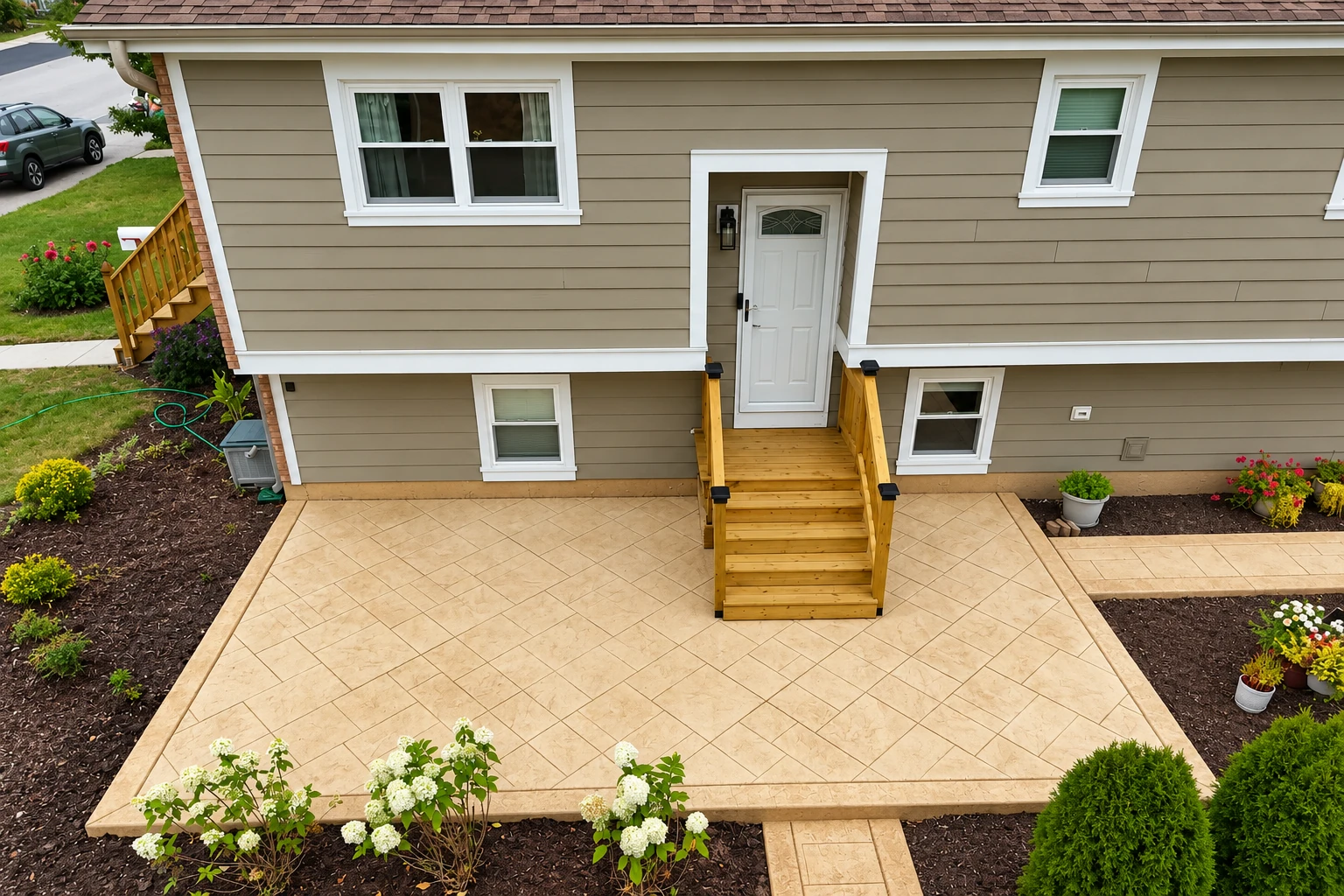
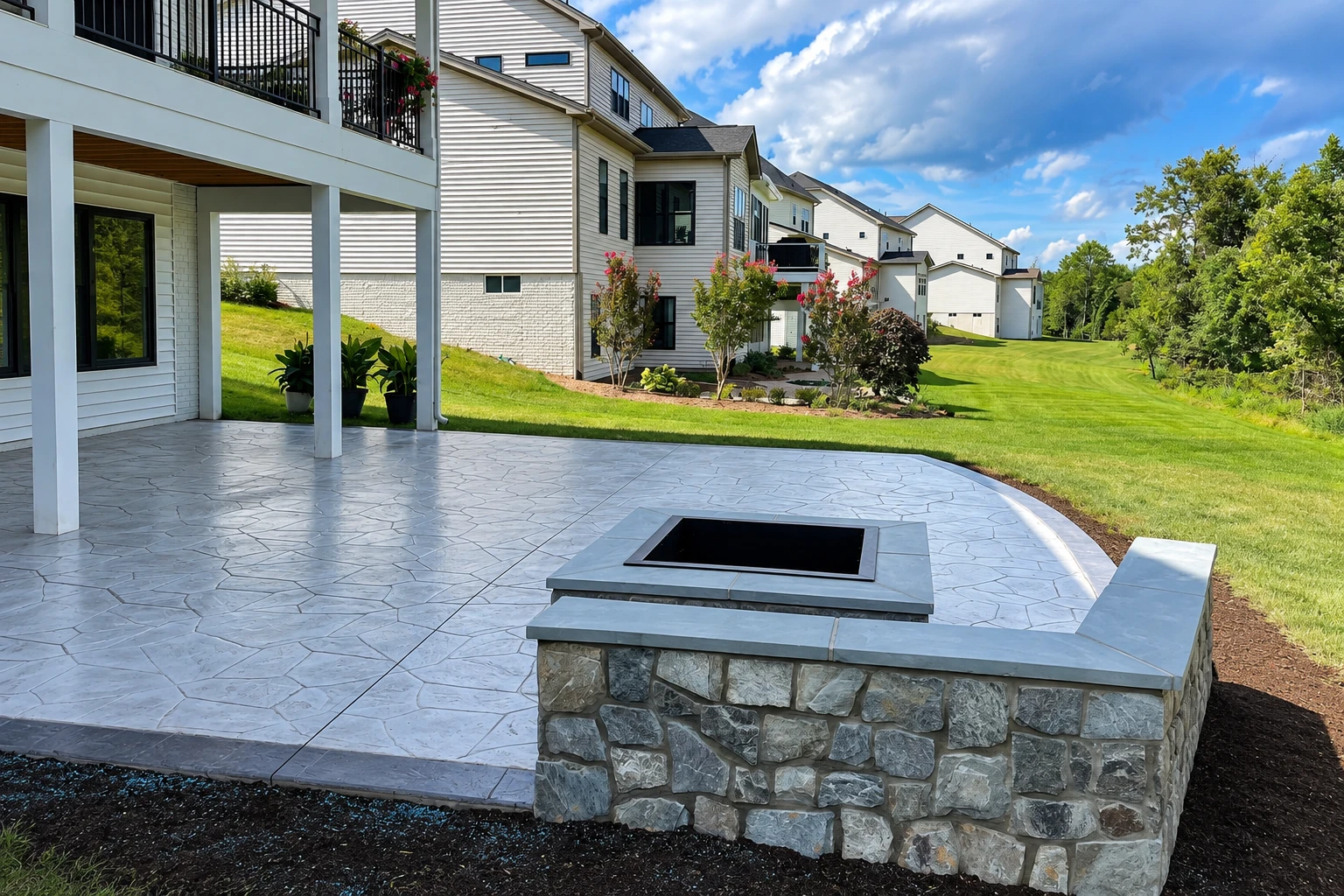
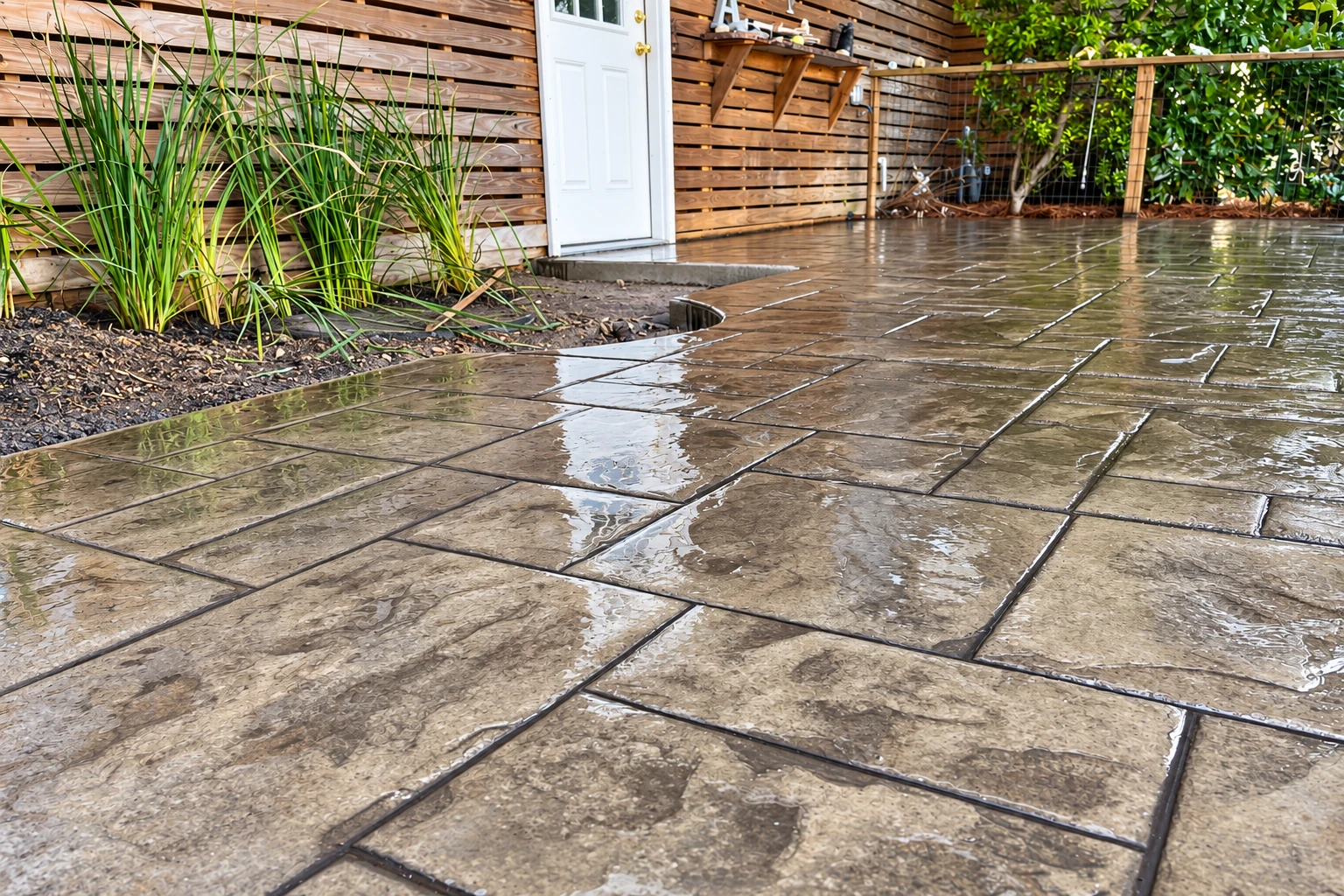
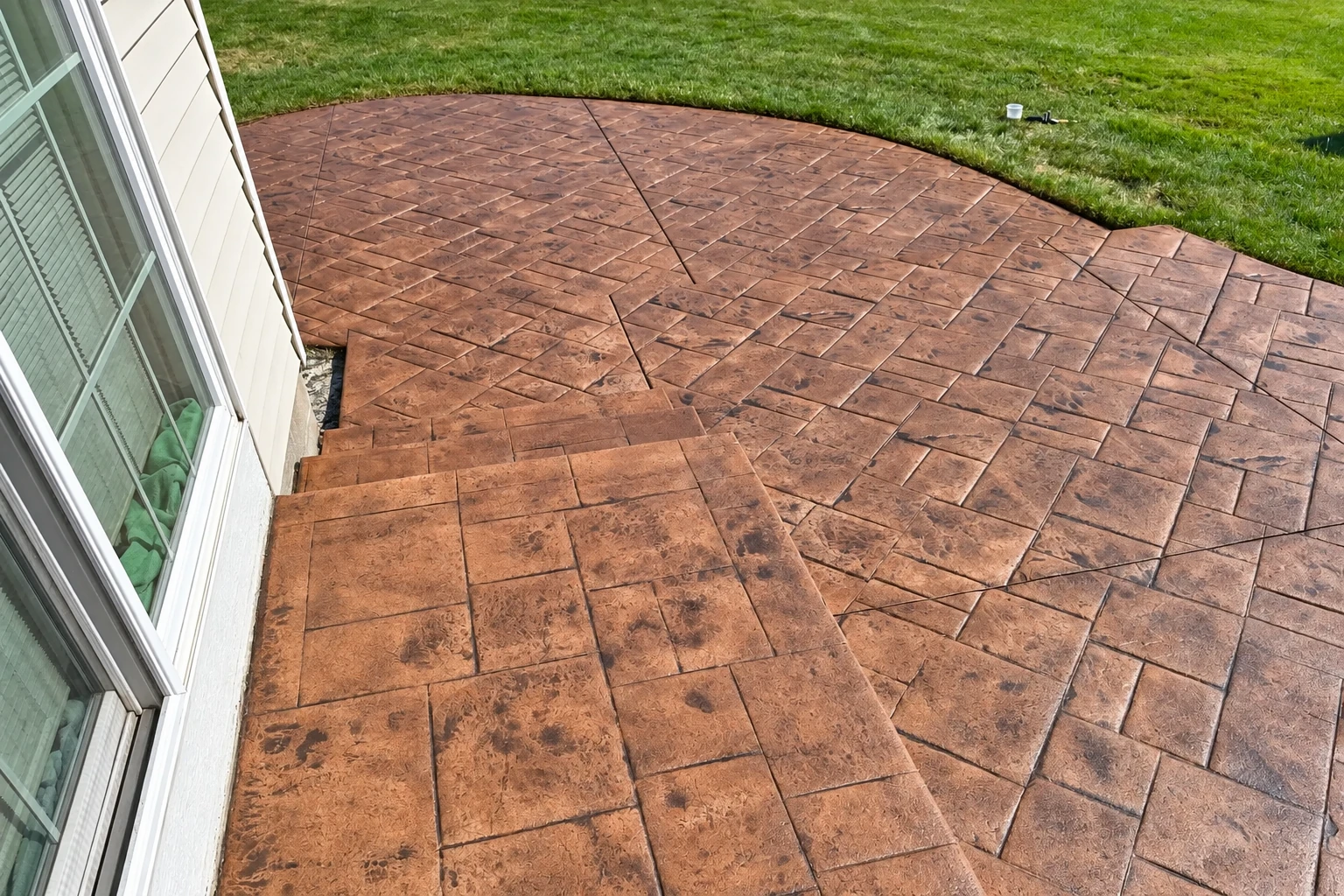
Price on a Durham job comes down to size, thickness and what's under the old work. Tearing out a cracked slab, digging out soft fill, hauling it off and bringing in new base all add cost before any concrete shows up, and a long driveway multiplies each of those. Rebar, the steel grid that holds a slab together if it cracks, adds to the price, and so does a stamped finish. A plain broom finish, the light texture that gives shoes and tires grip, keeps it down. The schedule turns on our calendar, any permit review and curing, which is the wait while the concrete gains strength before you walk or drive on it. Your written estimate lists each step.
Why the base gets the money first
The base is the part you can't see on day one, which is exactly why it's the first thing people want to cut. If the budget is tight, I'll suggest a plainer finish before a thinner base, because a good surface over loose dirt settles and cracks with the dirt. We dig down to the subgrade, the ground the slab sits on, and pack it. Then we set the forms so water runs away from the house and garage instead of toward them. Control joints, the straight grooves cut into the slab, go in on time, so if the concrete cracks, it cracks along a line we chose. We also plan pours for the cooler part of the day, because a slab finished in midday heat can end up with a weak, dusty top.
Getting a long drive or back lot ready
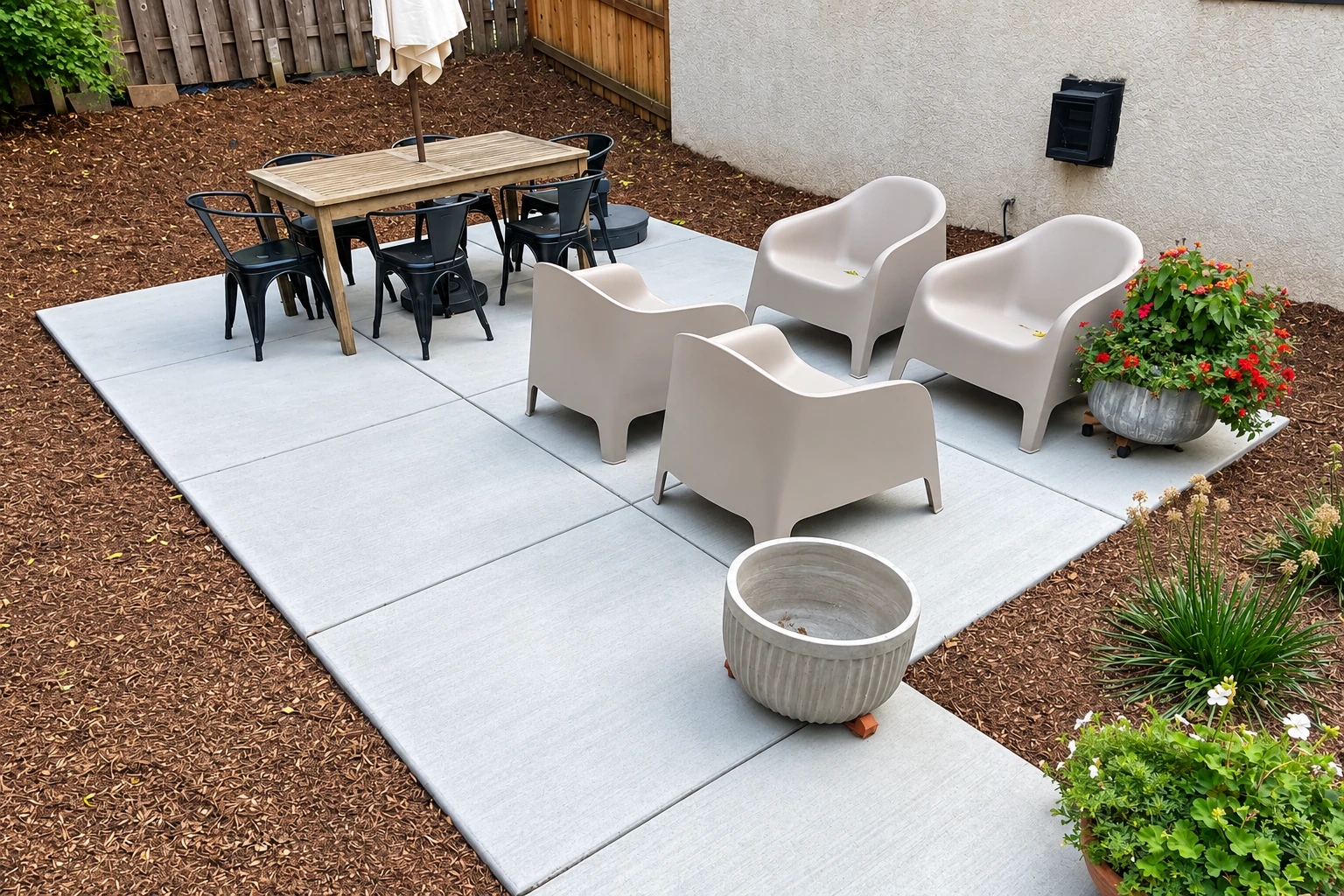
On bigger parcels, the first thing I measure after the slab itself is the path in. A concrete truck needs a firm route close to the forms. If it can't get near, we pump or wheel the concrete in, which takes more crew and more time. Before pour day we'll ask you to move vehicles, open gates and mark any sprinkler lines, septic parts or buried pipe you know about. For a concrete patio behind the house, we look at where the roof and yard water go, so the new slab doesn't hold a puddle against your wall. If you want a driveway and a patio, we can plan them together and pour them on the same trip.