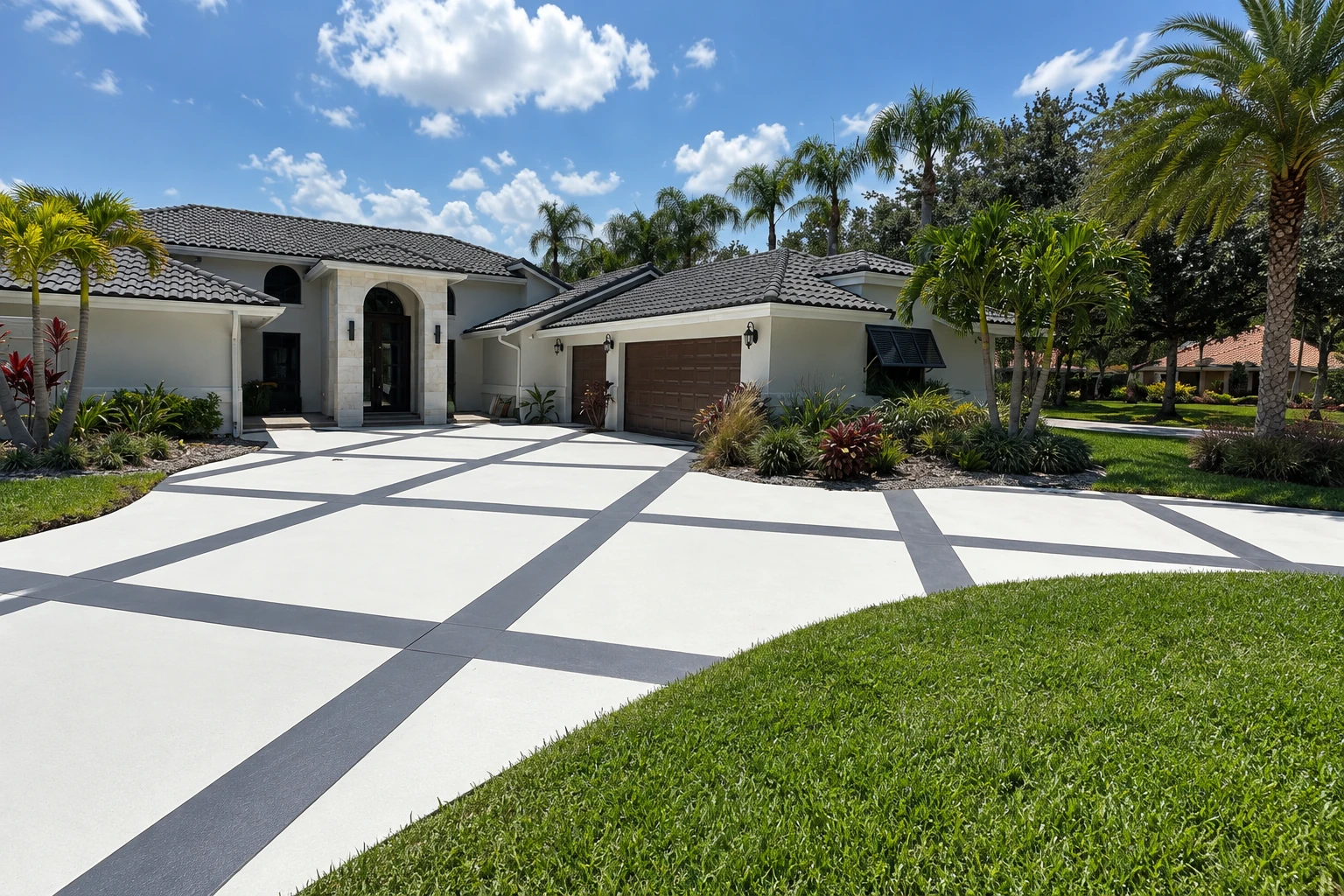
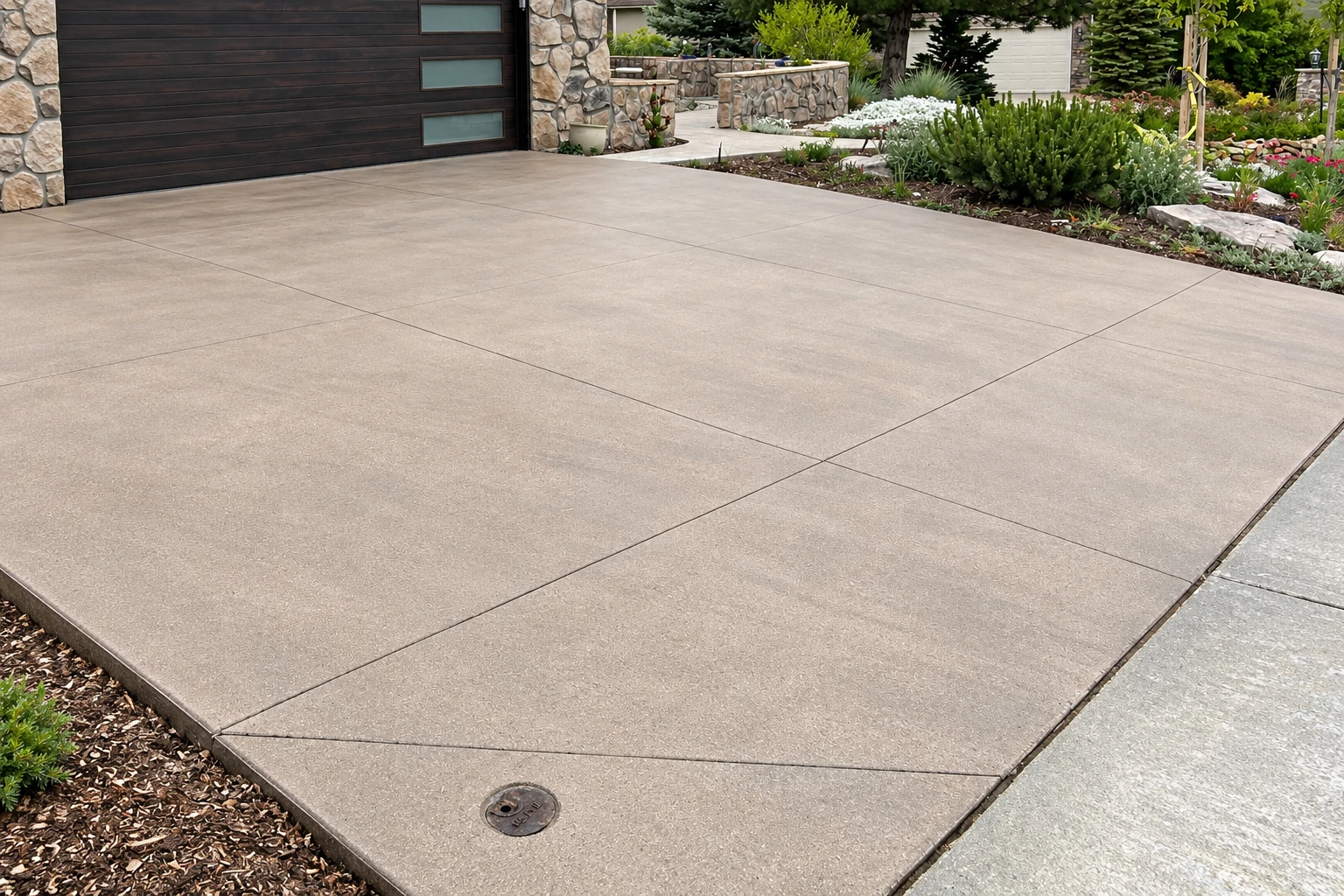
Willows is a small city and the Glenn County seat. Older houses on the blocks around downtown sit a few streets from newer homes toward the edges, with shops and county offices in between. We're a concrete contractor based in Chico, CA, and we work across the cities around it, including nearby Orland and Corning.
On the older lots, the calls we usually see are for a driveway, walk or patio that has cracked, sunk or started holding water, so the first job is breaking it out to see what it was poured on. What's under a slab decides how the job goes more than the finish on top does.
What moves the price and the schedule
Price moves with the size of the slab, how thick it has to be, how much old concrete we break out and haul away, and how much digging and base work the ground needs. The finish counts too, because a plain broom finish, the light texture that gives shoes and tires grip, costs less than stamped or decorative work. A garage pad or a slab foundation carries more steel and forming than a patio. The schedule turns on demolition, base work, the pour date and curing, the wait while the concrete gains strength before you walk or drive on it. I measure your job myself, and the written estimate lists each step.
Why we spend more below the slab
Most people want to know whether the new slab will crack like the old one, and the answer usually starts in the ground. Early cracking and sinking mostly come from dirt that was raked level instead of dug out and packed, so we dig to firm subgrade, the soil the slab sits on, and pack a base over it. We check where water runs so the slab falls away from your house, set rebar, steel that holds cracks tight, where the slab carries weight, and cut control joints, grooves that give shrinking concrete a straight line to crack along, on time. If the budget has to give, I'd trim the finish before the base, because you can redo a surface but not what's under it.
Getting a truck and crew onto your lot
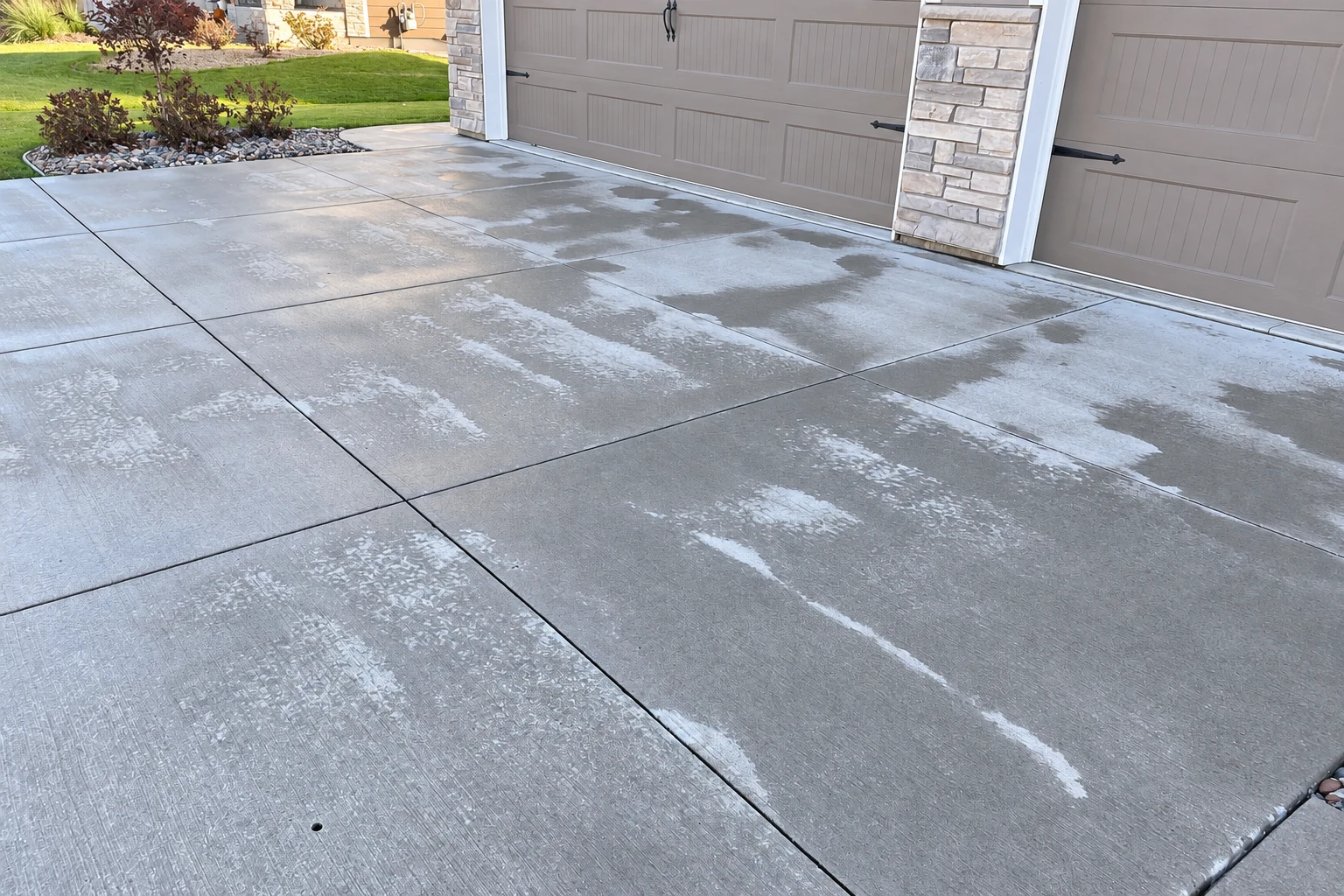
Before the pour I walk the lot to see where a concrete truck can back in, whether its chute reaches the forms or we'll wheel the concrete in, and what's in the way, like a fence, a narrow gate or sprinkler lines in the path. On older lots with tight side yards, that walk-through decides a good part of the plan, and it all goes on the estimate. We set pours for the cooler part of the day, because concrete finished in midday heat can dry too fast and leave a weak, dusty top that chips later. When the work is done, our crew pulls the forms, cleans up and hauls off the broken concrete.