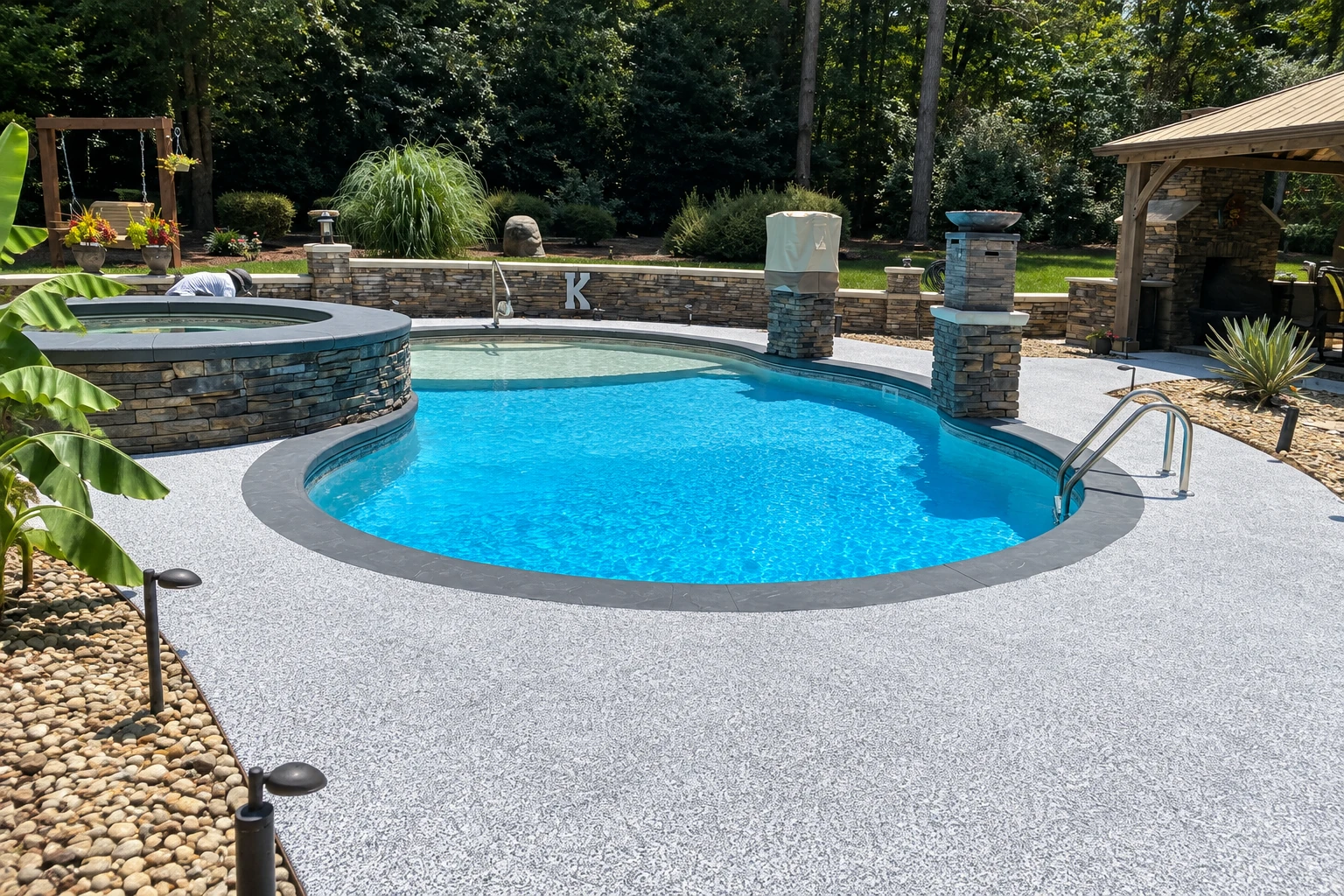
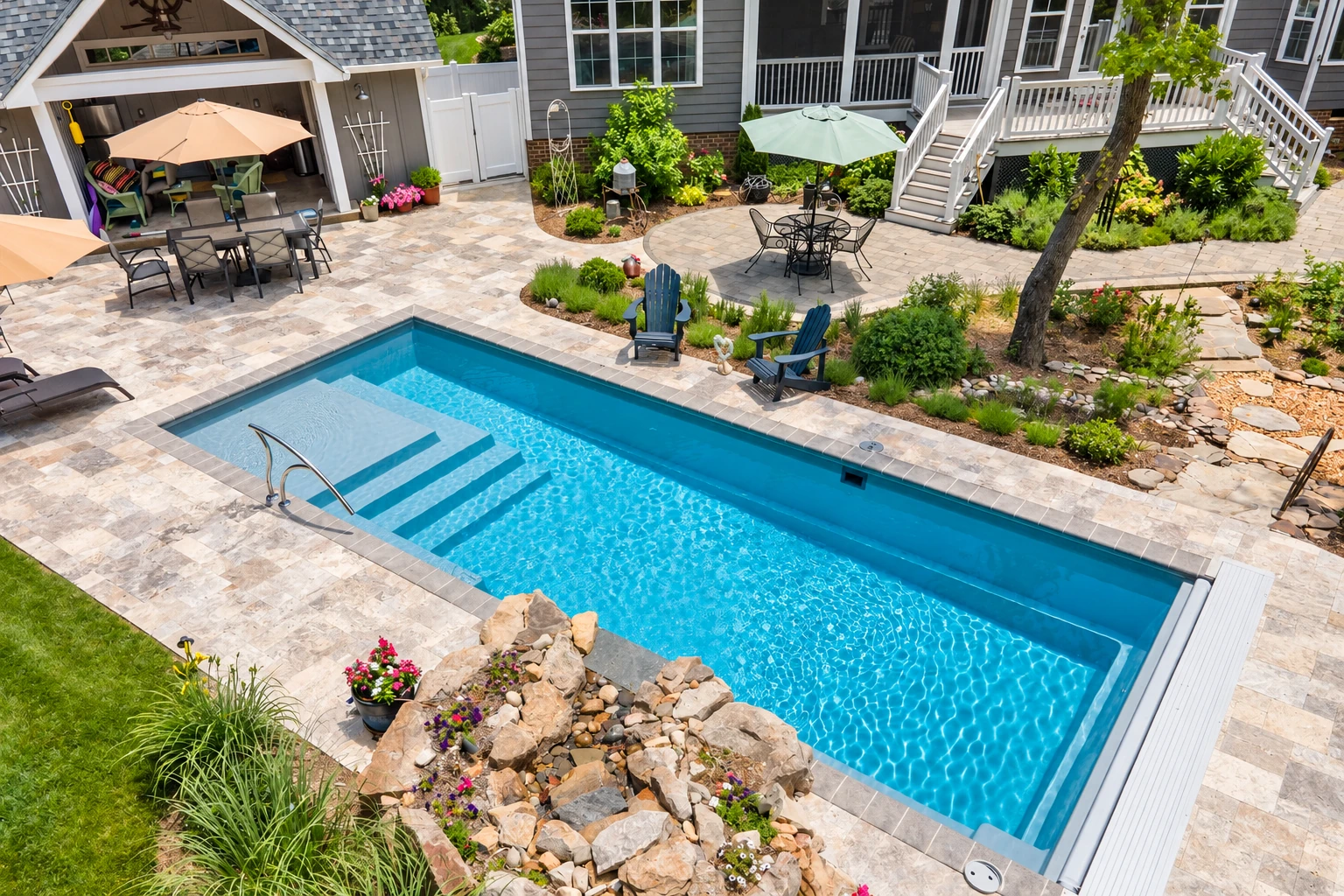
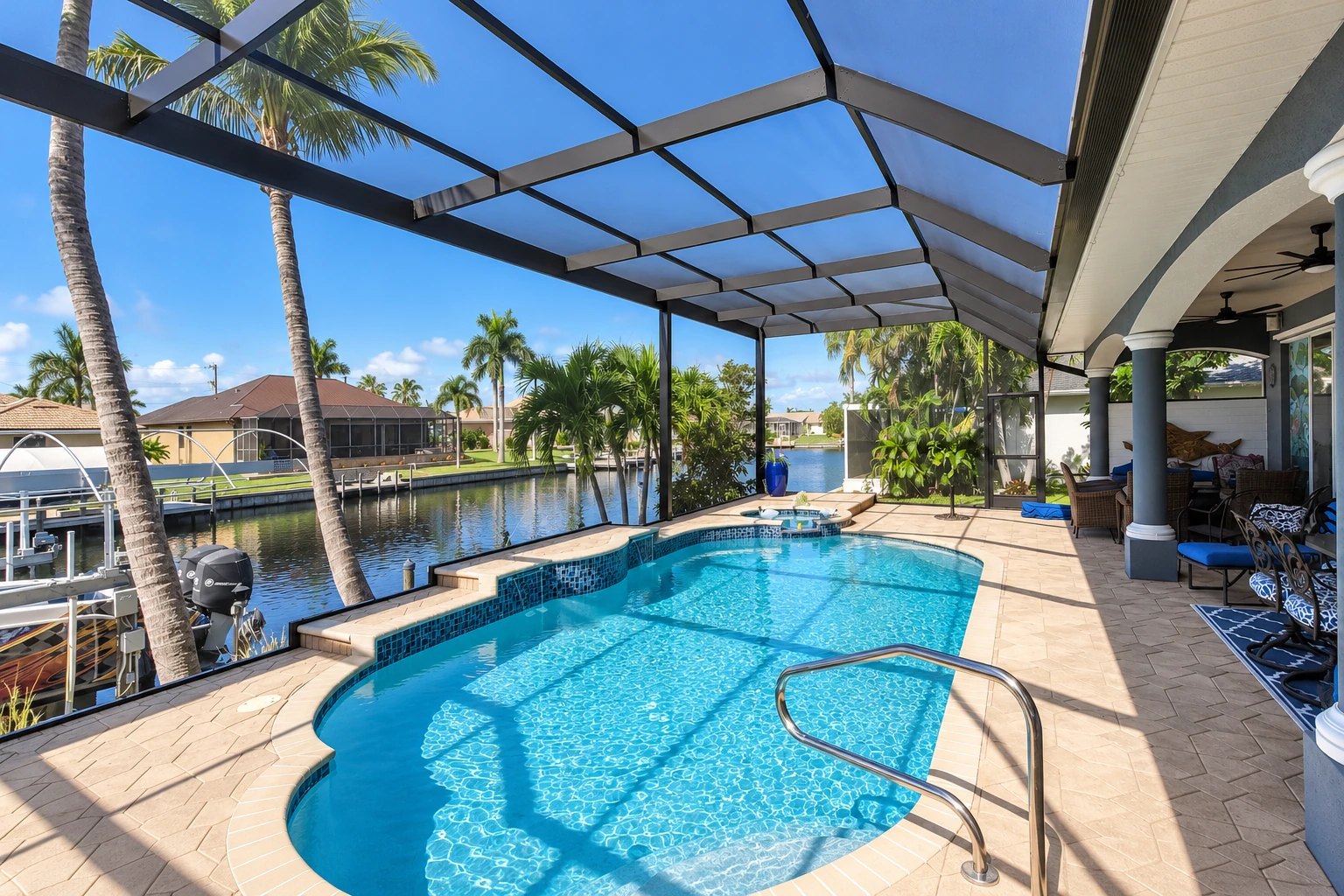
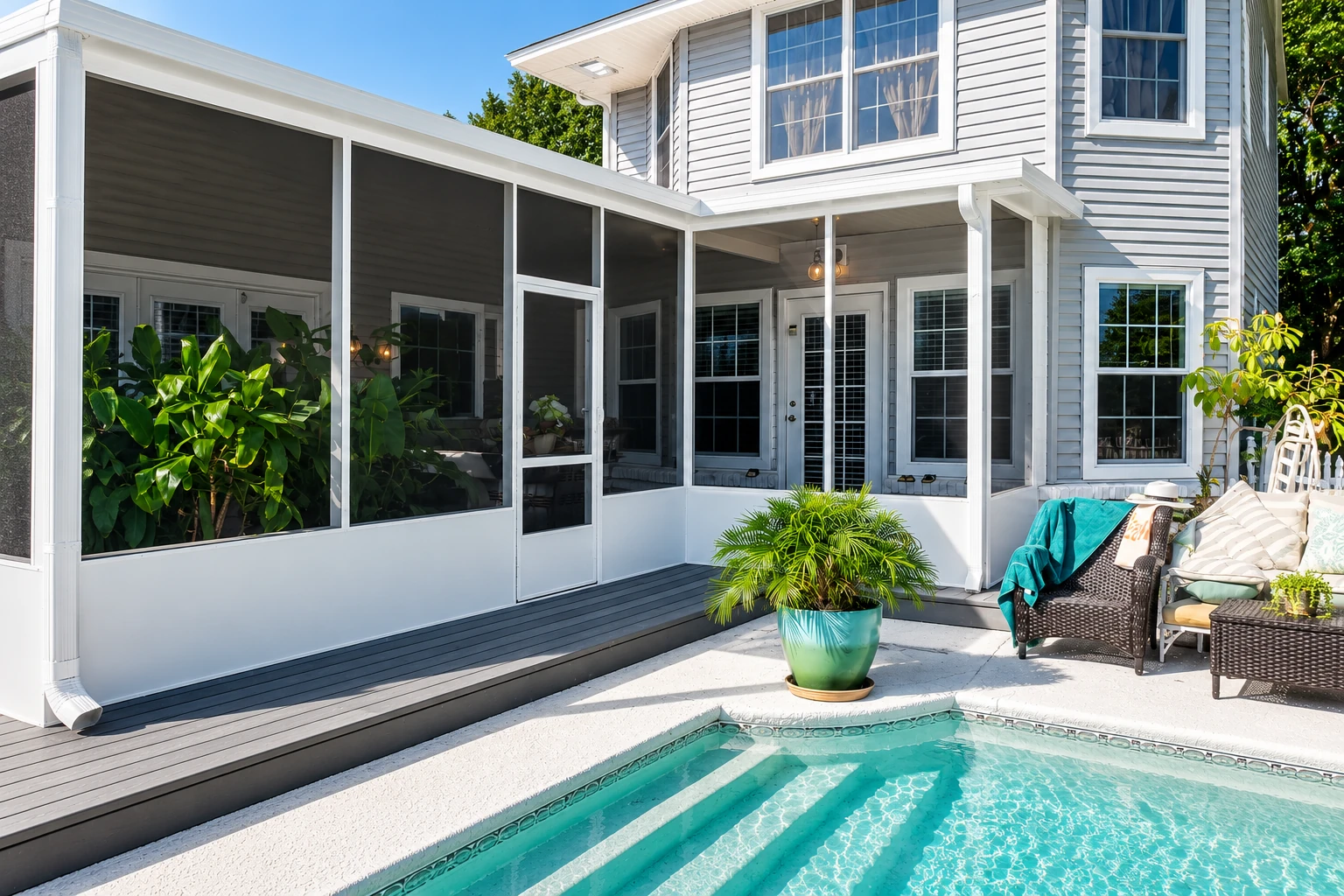
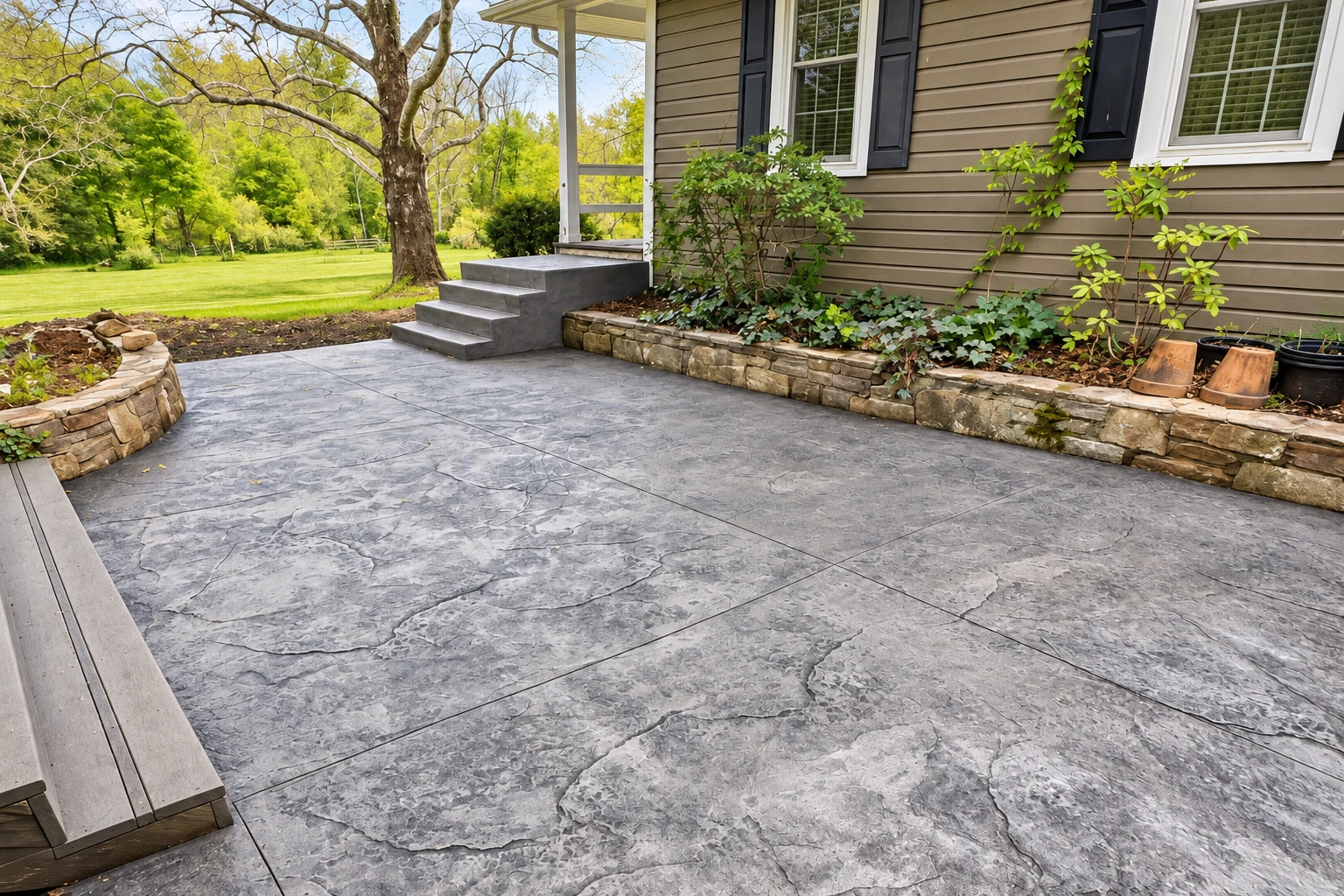
Palermo is one of the cities around Chico where we pour driveways, patios, walks and pads, and the calls from here sound a lot like the ones we get from Gridley and Oroville. Usually someone has an old slab that's cracked, sunk or chipping at the edges, or water is pooling against the house, or they want new concrete for a patio, a shop floor or the deck around a pool.
I come out myself to measure each job and see where the water goes before I write anything down. How long a slab holds up depends on what's under it, because concrete poured on raked dirt settles right along with the dirt.
What sets the price and the schedule
Size and thickness move the price first. After that comes how much digging and base work the ground needs, and whether an old slab has to be broken out and hauled off. Access matters too, because a pour we can reach with the truck goes faster than one we wheel in by the barrow. Finish comes last. A plain broom finish, the light texture that gives tires and shoes grip, costs less than stamped or colored work. The schedule turns on the weather, any permit review and the curing, which is the wait before you use the slab while it's still gaining strength. Your written estimate lists each step so you can see where the money goes.
Permits and county rules for your address
If Butte County is the building authority for your address, building permits come from the county. It reviews the work so it meets state and county building codes. We'll go over whether your job needs a permit when I come out for the estimate. When it does, we work out which office handles your address and take care of the application and inspections with you. Don't expect a contractor to show you a county business license, because the county doesn't issue them for businesses in its unincorporated area. Ask about licensing and insurance instead. We're licensed and fully insured.
Why the base gets more time than the finish
You'll never see the base once we pour. That's why it's the first thing cut when a budget gets tight, and it's the part I won't cut. We dig out soft soil, then pack and grade the subgrade, the ground the slab sits on, so it sheds water away from your house. Rebar, the steel set inside the slab, keeps cracks tight. Control joints are grooves we cut on purpose so the slab cracks along a straight line we chose. We also plan pours around midday heat, which can leave a weak, dusty top. Concrete pool decks get the same care, since splash water hits them every day.