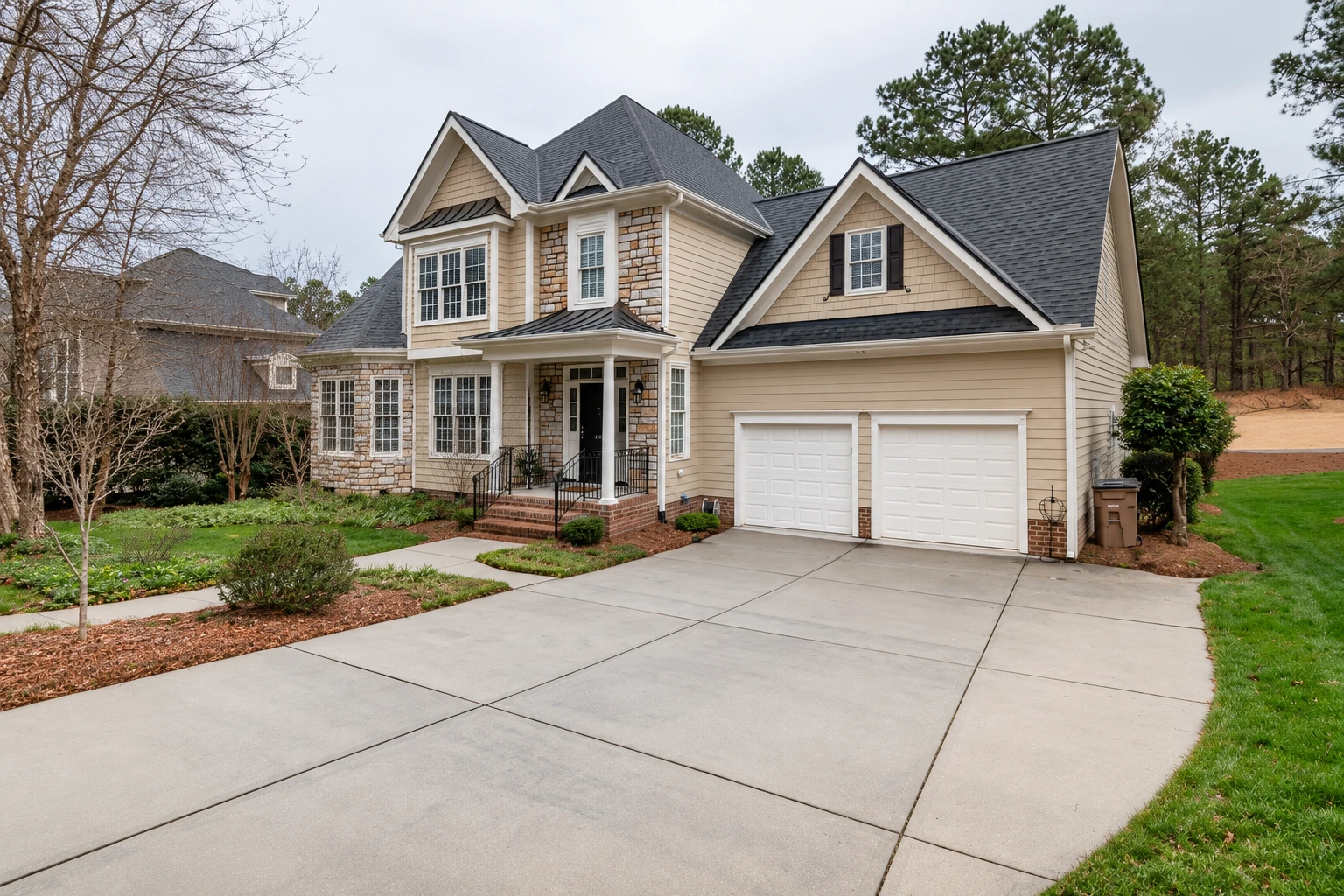
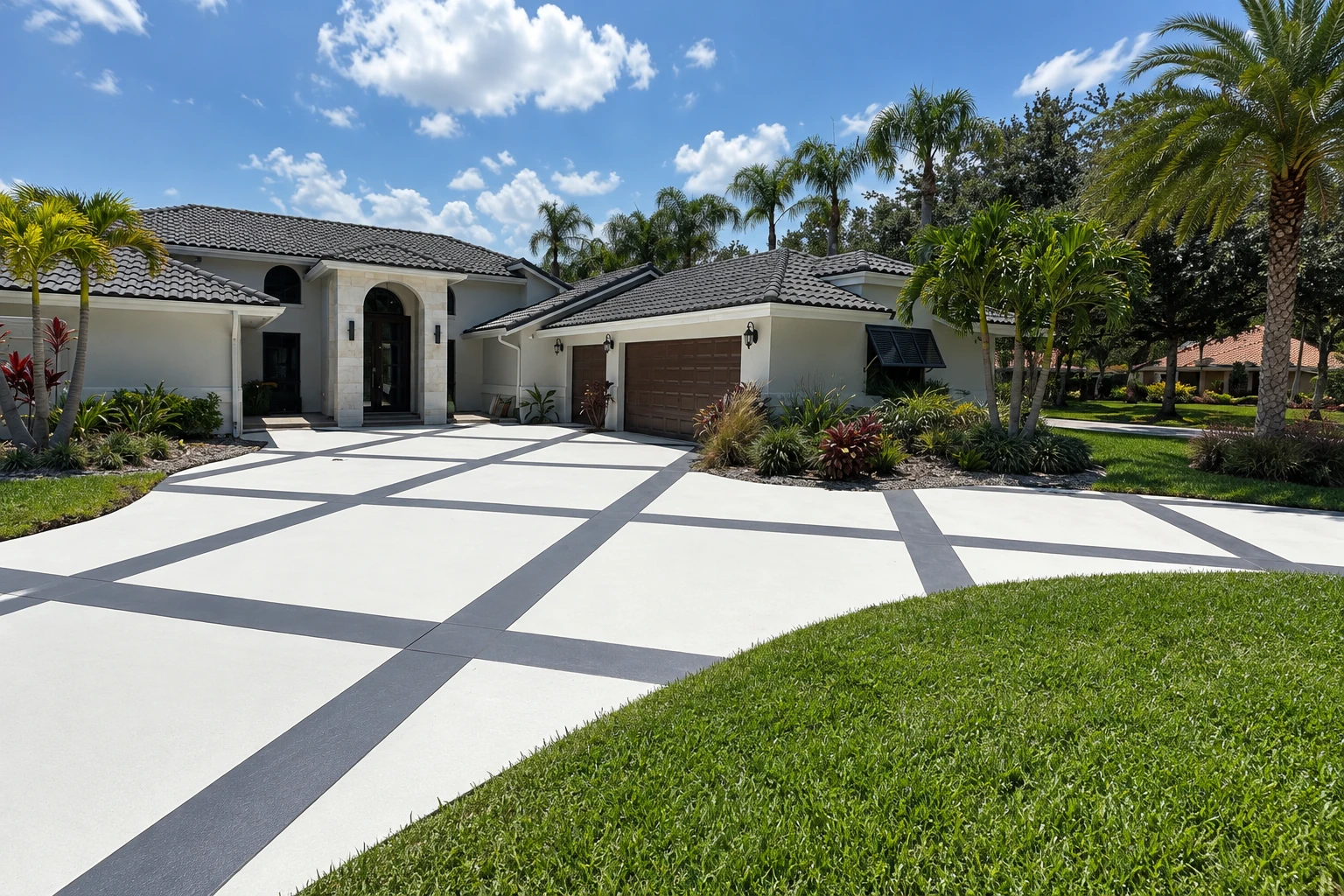
Chico is where we're based, and it's where a lot of our calls come from. Near downtown we see older houses with cracked driveways, sidewalks lifted by tree roots and back patios that have sunk toward the house. Out in the newer neighborhoods it's more often a patio extension, a garage floor or a side yard slab for a shed. We also get calls from property owners with small lots to pave. Most of our work comes from Chico and the cities around it, like Durham to the south and Paradise up the hill.
The city's own code findings say Chico gets ground tremors and sits in a high earthquake risk category, and that winter and spring rain gives way to a dry summer every year. So footings and foundations get built to the plans the city reviews, and every slab starts on ground that's dug out and packed so it doesn't shift as the soil soaks up and dries out.
What moves the price and the timing
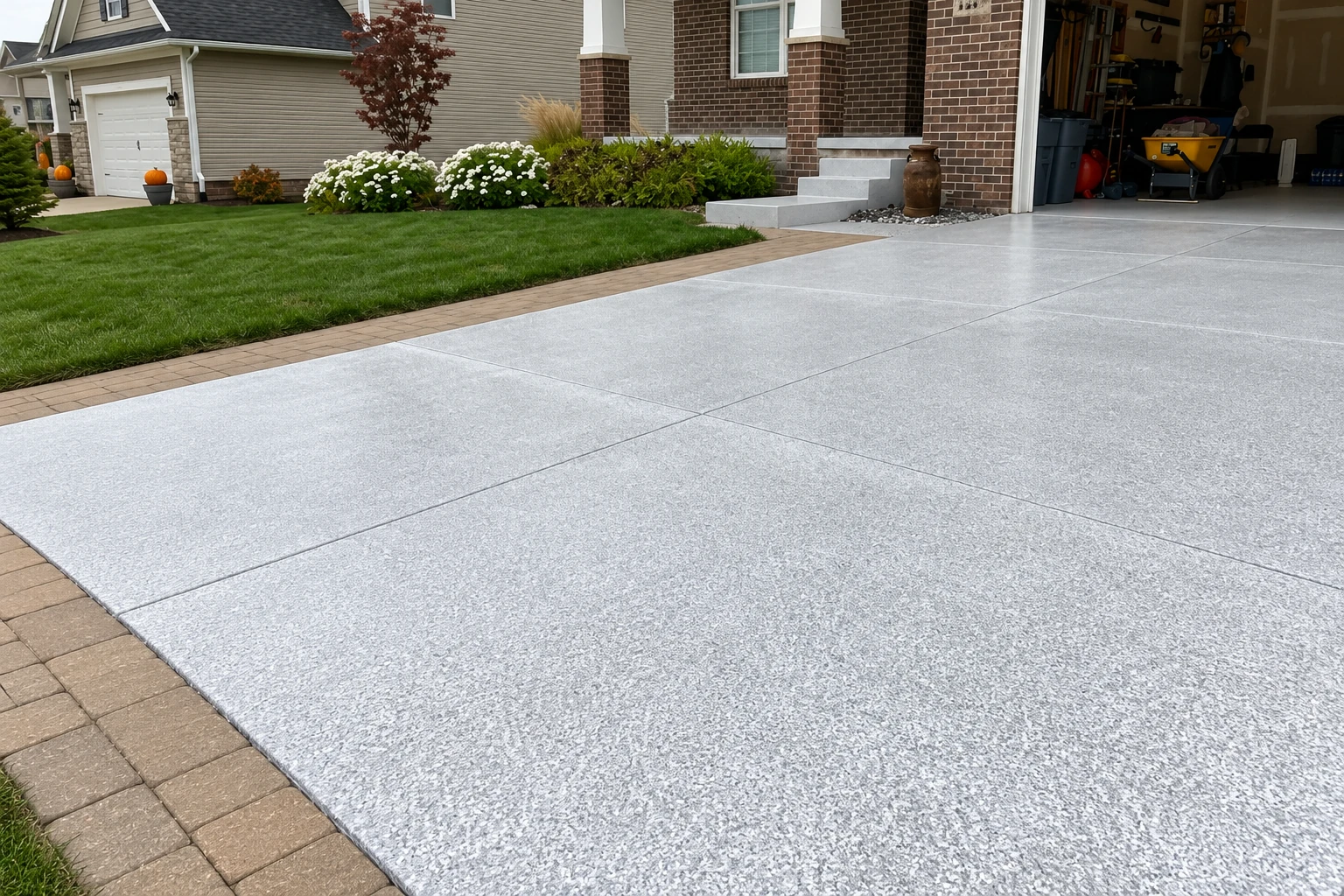
The price on a Chico job comes down to things I can measure on site: the size of the area, whether an old slab has to be broken out and hauled off, how much digging the base needs, how close the truck can get and the finish you pick. A plain broom finish, the light texture that gives your shoes grip, costs less than stamped or colored work. Timing turns on the weather, any permit review and curing, the days concrete needs to harden before you use it. On a new concrete driveway, you'll wait longer to park than to walk on it. Your written estimate lists every step.
Why the base gets our budget first
If there's one place I won't cut, it's the subgrade, the packed ground the slab actually sits on. Nobody sees it once the concrete's down, which is why it's the first thing a tight bid skips, raking the dirt level instead of digging it out and compacting it. That slab looks fine for a while and then settles with the dirt under it. We dig out, pack the base and check where the water runs, so the finished slab sheds rain away from your house instead of toward it. If the budget's tight, I'd rather simplify the finish than thin out the prep.
Pour timing, joints and cracking
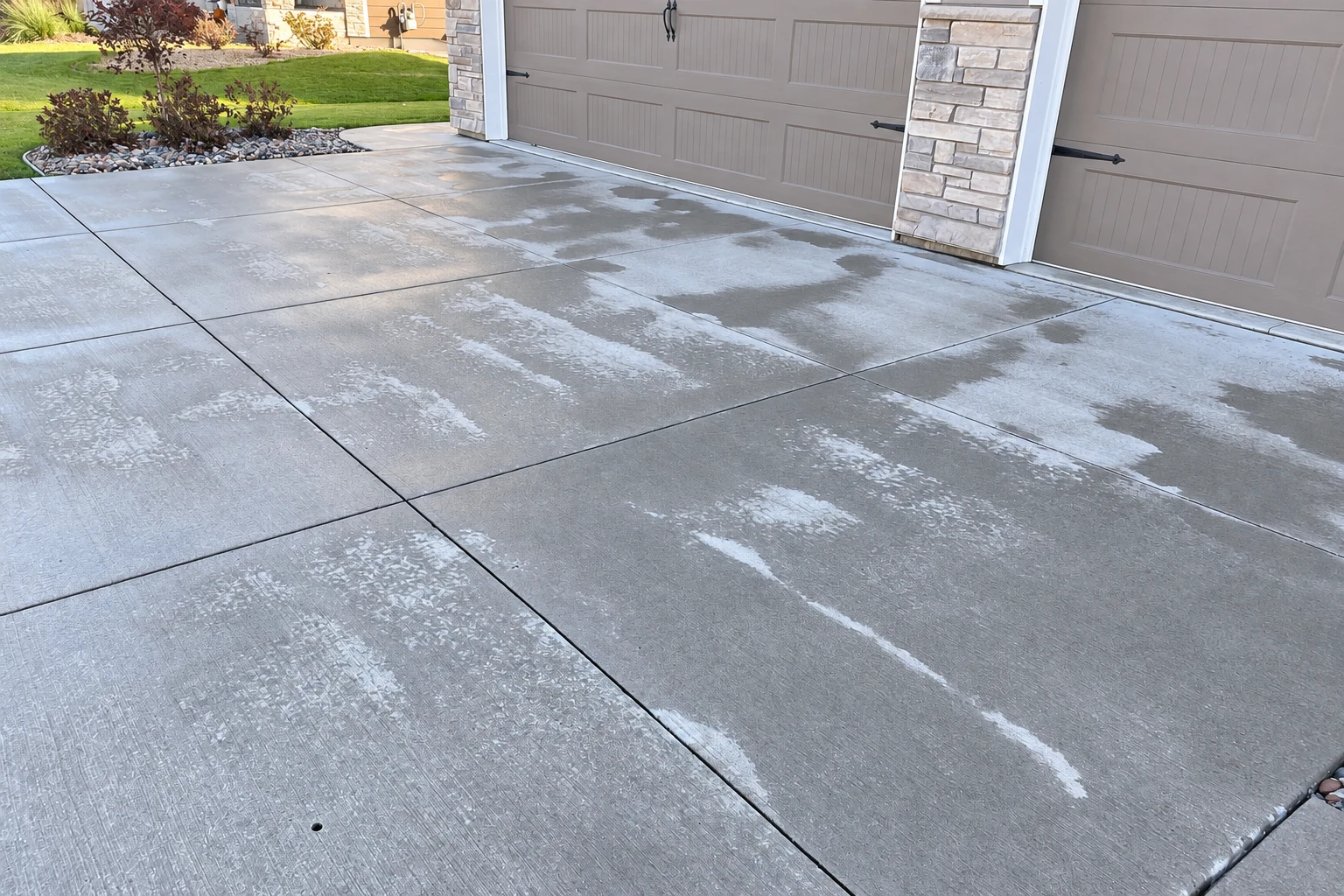
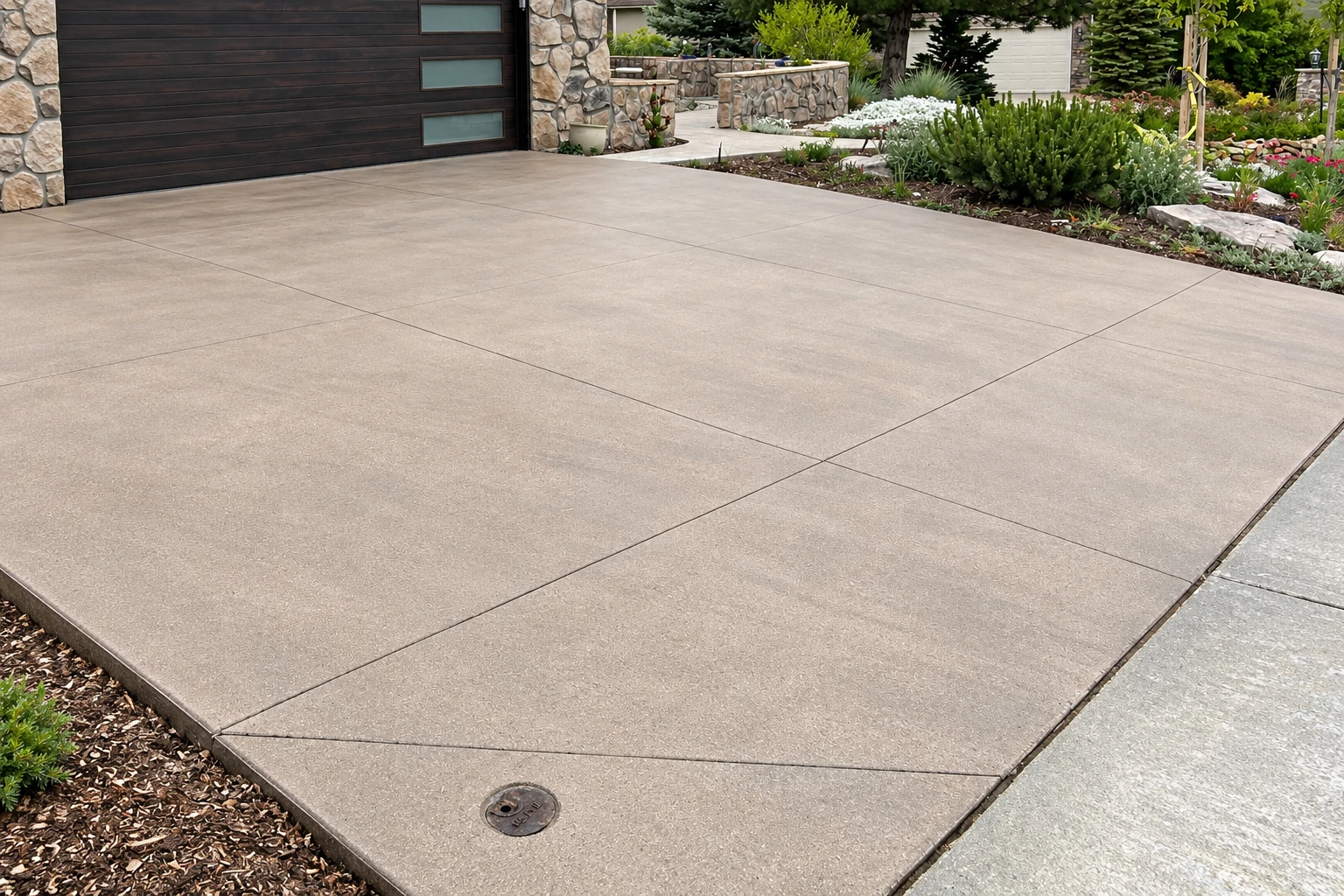
Nearly everyone asks if the new slab will crack like the old one. Concrete shrinks as it cures, so some cracking is normal, and the real job is deciding where it happens. We cut control joints, the straight grooves you see across a driveway, early enough that the slab cracks along those lines instead of across the middle. When a slab gets rebar, that steel grid inside holds the pieces together if a crack opens. In summer we plan pours for the cooler morning, because concrete finished in afternoon heat dries too fast and leaves a weak, dusty top that chips later.